

small makeup mirror with lights
Understanding Standard Thread Gauges A Comprehensive Overview Thread gauges are essential tools used in various industries to measure and verify the dimensions and characteristics of threads on fasteners such as screws, bolts, and nuts. Among the many types of thread gauges, the standard thread gauge plays a crucial role in ensuring consistency and accuracy in thread measurements. This article explores what standard thread gauges are, their significance, types, applications, and maintenance tips. What is a Standard Thread Gauge? A standard thread gauge is a measuring instrument specifically designed to check the pitch, diameter, and profile of threads against established standards. These gauges help ensure that threaded components fit together correctly, which is vital in maintaining the integrity and functionality of mechanical assemblies. The standards typically adhere to guidelines set forth by organizations such as the American National Standards Institute (ANSI), International Organization for Standardization (ISO), and others. Importance of Standard Thread Gauges The significance of standard thread gauges cannot be overstated. In manufacturing and engineering, precise measurements are critical. Incorrect thread dimensions can lead to improper fitment, which may result in component failure, safety hazards, and costly downtime. By using standard thread gauges, technicians and quality control professionals can ensure that threads meet specified requirements and thus maintain the reliability of their products. Types of Standard Thread Gauges There are several types of standard thread gauges, each serving a specific purpose 1. Plug Gauges These gauges measure the internal threads of holes and are designed to fit into the thread. They often come in two forms GO and NO-GO gauges. The GO gauge should fit easily, while the NO-GO gauge should not fit, ensuring that the internal threads are within acceptable tolerances. 2. Ring Gauges These measure external threads and serve a similar purpose as plug gauges. Users can determine if the external threads of a bolt or screw are within specifications by attempting to fit the threaded component into the gauge. 3. Thread Pitch Gauges Used to measure the pitch (the distance between threads) of both internal and external threads, these gauges come as a series of blades with various pitch sizes marked on them. Users can identify the pitch by matching the blade to the threads. 4. Calibrated Measuring Tools Some engineers prefer calipers or micrometers calibrated for threads. These tools can provide detailed measurements of thread depth, diameter, and pitch, giving a more comprehensive view of the threading. Applications of Standard Thread Gauges standard thread gauge Standard thread gauges find applications in various fields including 1. Manufacturing In factories where precision parts are produced, thread gauges ensure that threaded components meet specified requirements before assembly, thereby preventing quality control issues. 2. Automotive and Aerospace The automotive and aerospace industries rely heavily on threaded components, and any failure in these areas can have catastrophic results. Thread gauges are critical in ensuring that all fasteners are correctly sized and fitted. 3. Construction In construction projects, proper fastening is essential to structural integrity. Standard thread gauges verify that anchor bolts and other fasteners meet safety standards. 4. Maintenance and Repair Technicians involved in maintenance and repair work use thread gauges to assess the condition of existing threaded components, which is crucial for making informed decisions on replacements or repairs. Maintenance of Thread Gauges To ensure lasting performance, standard thread gauges require proper maintenance 1. Cleaning Regular cleaning is essential to remove contaminants that could affect measurement accuracy. Use appropriate cleaning solutions that do not damage the gauge material. 2. Calibration Routine calibration is crucial to maintain measurement accuracy. Follow the manufacturer's guidelines for calibration intervals and procedures. 3. Storage Store thread gauges in a clean, dry environment, away from potential sources of damage. Use protective cases or racks to prevent physical damage. Conclusion In conclusion, standard thread gauges are indispensable tools in ensuring the quality and safety of threaded components across various industries. Their ability to guarantee that threads meet established standards is invaluable in manufacturing, automotive, aerospace, construction, and maintenance sectors. By understanding their types, applications, and maintenance, professionals can utilize these tools effectively, enhancing the reliability of their projects and ensuring operational excellence.
about
small makeup mirror with lights
Understanding Standard Pin Gauges Essential Tools in Precision Measurement In the realm of precision engineering, accurate measurement is paramount. One of the essential tools used for this purpose is the standard pin gauge. Pin gauges are widely utilized in various sectors, including manufacturing, quality control, and mechanical engineering, to ensure that components meet stringent tolerances and specifications. In this article, we will explore the significance of standard pin gauges, their design, applications, and best practices for utilization. What is a Standard Pin Gauge? A standard pin gauge is a cylindrical rod, typically made of high-carbon steel or stainless steel, designed to check the size or diameter of holes and slots in various materials. These gauges come in standard sizes, which can be used to determine whether the measurements of a component fall within specified tolerances. Pin gauges are available in both go and no-go variants, allowing users to confirm that a hole is correctly sized. The go gauge should fit into the hole, while the no-go gauge should not. Design and Construction Standard pin gauges feature a simple yet effective design. They are usually formed into a set of rods, each varying in diameter, and are often calibrated to high standards to ensure precision. The ends of these gauges are often ground to a fine finish to provide a clear, accurate measurement. Additionally, some pin gauges might be coated or treated to enhance durability and resistance to wear. The sizes of pin gauges are standardized, with increments in diameter typically available from just a fraction of a millimeter up to several millimeters. This standardization ensures compatibility across different industries and sectors, making it easy for engineers and quality control personnel to communicate and understand specifications. Applications of Standard Pin Gauges Standard pin gauges have a variety of applications across different fields 1. Quality Control In manufacturing environments, pin gauges play a crucial role in quality assurance. They are used to verify that components meet dimensional specifications, helping to ensure that manufactured parts fit together correctly. 2. Assembly Processes During assembly, pin gauges can be employed to check for proper alignment and fitting of parts. This is particularly important in industries such as automotive and aerospace, where precision is critical. standard pin gauge 3. Toolmaking Toolmakers often use pin gauges to ensure that tooling and dies are manufactured to correct specifications. This is essential for ensuring the overall quality of production processes. 4. Calibration Pin gauges can also serve as reference standards used to calibrate other measuring instruments, helping maintain accuracy in various measurement systems. Best Practices for Using Standard Pin Gauges For effective utilization of pin gauges, consider the following best practices - Storage Always store pin gauges in a protective container to prevent damage. Moisture, dust, and other environmental factors can lead to degradation in accuracy and performance. - Cleaning Regularly inspect and clean pin gauges to remove any dirt or contaminants. This will help maintain their precision and extend their lifespan. - Calibration Checks Periodically check the calibration of your pin gauges against known standards to ensure ongoing accuracy. This is particularly important in high-precision environments. - Usage Technique When using a pin gauge, ensure that you insert it gently into the hole without forcing it. Forcing can lead to false readings or damage to both the gauge and the workpiece. - Go/No-Go Concept Always employ the go/no-go approach to facilitate quick and effective assessments of measurement tolerances. This method simplifies the process of determining whether a component is suitable for its intended application. Conclusion Standard pin gauges are indispensable tools in the field of precision measurement. Their simplicity, accuracy, and versatility make them suitable for a wide array of applications across different industries. Understanding how to use these gauges effectively can significantly enhance quality control processes and ensure that manufacturing meets high standards of precision and accuracy. By adhering to best practices for storage, cleaning, and calibration, users can maximize the utility and lifespan of pin gauges, contributing to overall operational efficiency. In a world where precision is crucial, standard pin gauges stand out as a reliable ally in achieving excellence in measurement.
-

High quality industrial productsagement

High quality industrial products
View Details -

Meet the diverse needs of customers

Meet the diverse needs of customers
View Details -

Strict quality control

Strict quality control
View Details -

Top raw materials

Top raw materials
View Details -

Trusted supplier

Trusted supplier
View Details
Our application


news and information
Válvula de mariposa de 1200 mm para aplicaciones industriales y de control de flujo
Válvula de Mariposa de 1200 mm Eficiencia y Aplicaciones en la Industria La válvula de mariposa es u
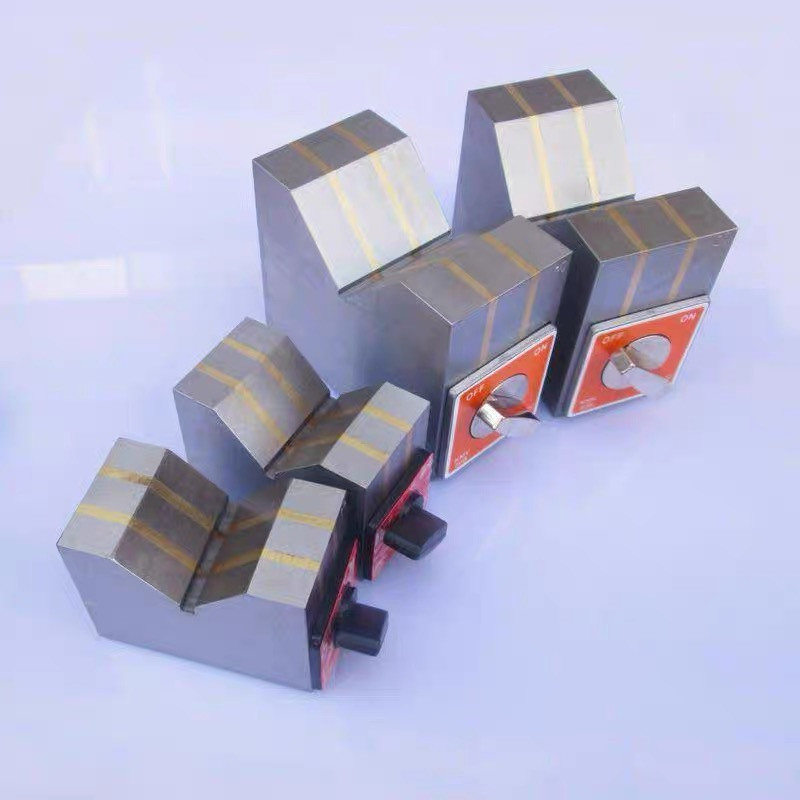
Welding Tables_ The Essential Tool for Precision and Durability
A welding table is a must-have for anyone involved in metalworking or fabrication. When it comes to
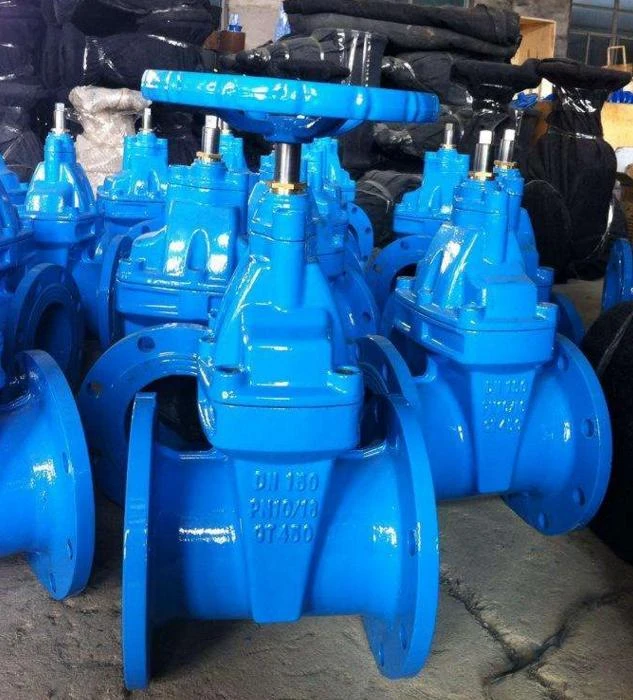
và van cổng
Van khóa cửa là một trong những thành phần thiết yếu trong hệ thống ống dẫn, đặc biệt trong các ngàn
 English